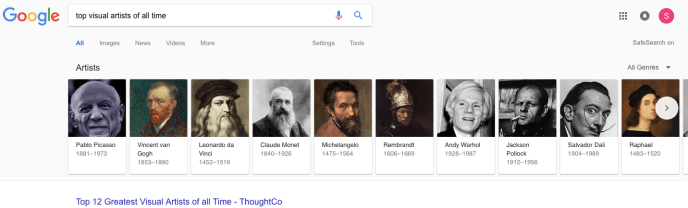
A Google search of the “Top Famous Paintings of all time” will yield anywhere from 10-100 paintings created predominately by white European and American male artists. On several lists, it is difficult to locate even one Indigenous artist, female artist, person of colour or other representative of many communities so often marginalized within Museum culture. Searching for artists typically presented in art history survey courses will usually produce a list exclusive of any artists of colour and showcase the lone Frida Kahlo as a female artist, surrounded by her many white, male, American and European counterparts.
Colonialism has painted our knowledge of art history with a limited palette. Thus arises the importance of looking to contemporary art for balance. Contemporary art has been known to change opinions, challenge people to examine their values, inform people of social issues and most importantly, to affect people’s perceptions. Therefore, it is essential as an art educator to not only expose our students to this range of art but also to inform ourselves and to grow alongside our students. Processing the difficult knowledge required of these topics as well as experiencing the emotions, confusion and guilt that accompany the study of contemporary works that challenge notions of: colonialism, privilege, racism, homophobia and many other topics that artwork nowadays tackles head on. Awareness of appropriation, allyship, listening and difficult knowledge help build an understanding of these works and their importance in society today.
It is then that we can revisit to the representation of art within our culture with a more critical gaze and return full circle to examine the “Masters” with a more critical eye. “The traditional structure of both the public art museum and art education course rely on the classical methodologies of the past, resulting in the presentation of the object as historically and socially removed from the viewer’s own experience.” [1]
As a teacher of Visual Arts of 18 years, I am cognizant of how important it is to stay current as an educator and to present my students with a reflection of society’s shifts and changes, as well as a more balanced view of art in society. As cultures, people, nature and time constantly evolve, so does art. Intracultural and intercultural communication transforms over time along with our perceptions, and this is reflected in our artistic world and the work that artists produce. Exposing students to current artistic practice from an array of voices is our responsibility as art educators. Tackling the difficult topics explored in this blog is just the beginning of the unearthing of this dialogue in my teaching of art.
[1] Walker, Jan Bridwell, “The evidence of Bias within Art Historical Methodolgy and the Potentiality of Viewer Dialog as a Pedegogical Tool.” (2004). Electronic Theses and Dissertations. Paper 891.

 Can Art Teach